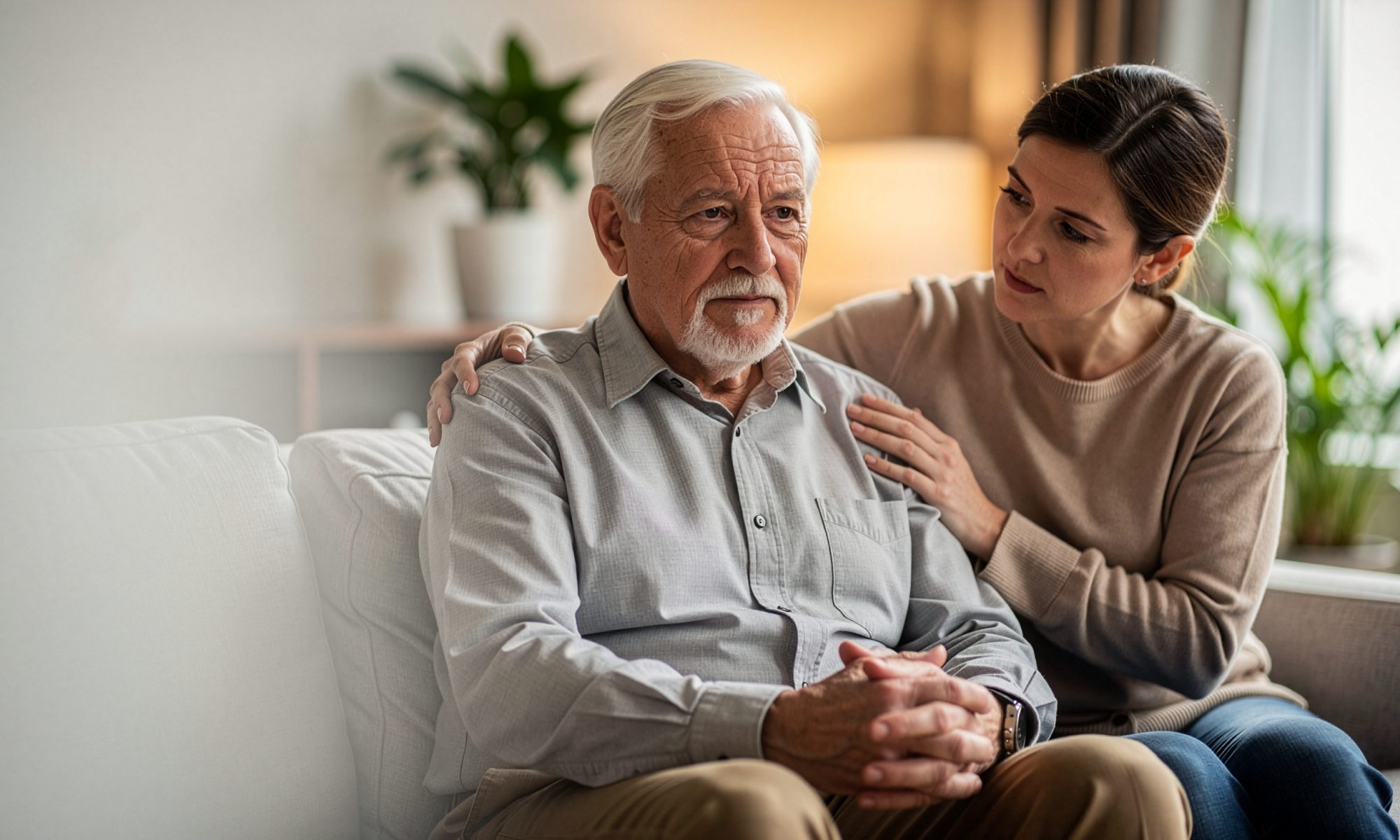
The stigma of memory loss creates severe social isolation in dementia care because individuals are often misunderstood, leading friends and community members to withdraw from their lives. This marginalization deeply impacts the emotional wellbeing of those living with cognitive decline. By understanding this social barrier, communities can build more inclusive environments for everyone affected by the condition.
Why Does Memory Loss Create Social Stigma?
People often fear what they don’t understand, leading to deep-rooted misconceptions about cognitive decline. This stigma stems from negative stereotypes that portray individuals as entirely incapable or unpredictable, which makes others hesitant to engage with them. Common factors contributing to this stigma include:
- A general lack of public education about normal cognitive changes
- The fear of saying or doing the wrong thing around the individual
- Cultural beliefs that unfairly equate cognitive decline with a loss of personhood
How Does Social Isolation Affect Individuals with Dementia?
Social isolation dramatically reduces the emotional and mental quality of life for those experiencing memory loss. When friends and community members step back, individuals often face profound loneliness, depression, and a loss of identity. Without regular social stimulation, people may also experience a faster progression of their cognitive symptoms, as conversation and interaction are vital for keeping the brain active.
Social isolation can result in mental, emotional, and physical challenges for aging adults, but seniors don’t have to manage them alone. Aging in place can present a few unique challenges for older adults in northern Alabama. Some only require part-time assistance with exercise or meal preparation, while others are living with serious illnesses and benefit more significantly from receiving Huntsville 24-hour home care. Home Care Assistance are leaders in the elderly in-home care industry for good reason. We tailor our care plans based on each senior’s individual needs, our caregivers continue to receive updated training in senior care as new developments arise, and we also offer comprehensive care for seniors with Alzheimer’s, dementia, and Parkinson’s.
What Role Do Caregivers Play in Experiencing Social Isolation?
Caregivers frequently experience secondary stigma, causing them to withdraw from their own social circles to protect their loved ones from public judgment or embarrassment. They may also feel overwhelmed by the daily demands of providing constant support, leaving them with little time or energy to maintain personal friendships. This dual isolation creates a closed-off environment that limits social interaction for both the caregiver and the loved one with memory loss.
How Can Communities Reduce the Stigma of Memory Loss?
Communities can dismantle these social barriers by deliberately fostering inclusive spaces and promoting open, empathetic dialogue about cognitive health. Simple shifts in community behavior can drastically enhance the daily lives of those affected. Actionable steps include:
- Hosting local awareness campaigns to normalize cognitive differences and educate the public
- Creating dementia-friendly public spaces, community centers, and social clubs
- Encouraging neighbors to maintain regular compassionate contact rather than pulling away
Social activity is only one of many components that contribute to robust mental and physical health in seniors. Not every senior has the same care needs, which means they don’t all need the same type of Huntsville elder care. Families can rely on Home Care Assistance to provide individualized care plans to meet their elderly loved ones’ unique care needs. Our holistic Balanced Care Method was designed to help seniors focus on healthy lifestyle habits such as eating nutritious foods, exercising regularly, and maintaining strong social ties, and our Cognitive Therapeutics Method offers mentally stimulating activities that can boost cognitive health and delay the onset of dementia.
If your loved one is already facing the challenges of dementia, social interaction is still vital for boosting cognitive health. Aging in place can present a few challenges for seniors living with dementia. However, with the help of professional Huntsville dementia care, older adults can still live independently at home. Families can rely on Home Care Assistance to provide their elderly loved ones with mental and social stimulation, timely medication reminders, assistance with meal prep, and much more. Our caregivers are available around the clock to help your loved one live a happier and healthier life. If your loved one needs help with the challenges of aging, call one of our compassionate Care Managers today
Frequently Asked Questions
What’s the stigma surrounding dementia?
+
The stigma involves negative attitudes and false beliefs that individuals with memory loss are completely helpless or disconnected from reality. This prejudice often leads to unfair discrimination and social avoidance.
Why do friends pull away when someone experiences memory loss?
+
Friends often pull away because they feel uncomfortable, don’t know how to communicate effectively, or fear witnessing the changes in someone they care about.
Can regular social interaction benefit those with memory loss?
+
Yes, staying socially active stimulates the brain and can significantly boost mood. Consistent engagement supports overall cognitive health and emotional wellbeing.
How can I communicate better with a loved one experiencing memory loss?
+
Speak clearly, maintain eye contact, and focus on validating your loved one’s feelings rather than constantly correcting his or her factual mistakes. Patience and active listening are essential for making your loved one feel valued and understood.
Are there community resources for caregivers experiencing isolation?
+
Many local community centers and online platforms offer peer-led support networks where caregivers can safely share their experiences. These groups provide a valuable space to connect with others facing similar challenges and reduce feelings of loneliness.