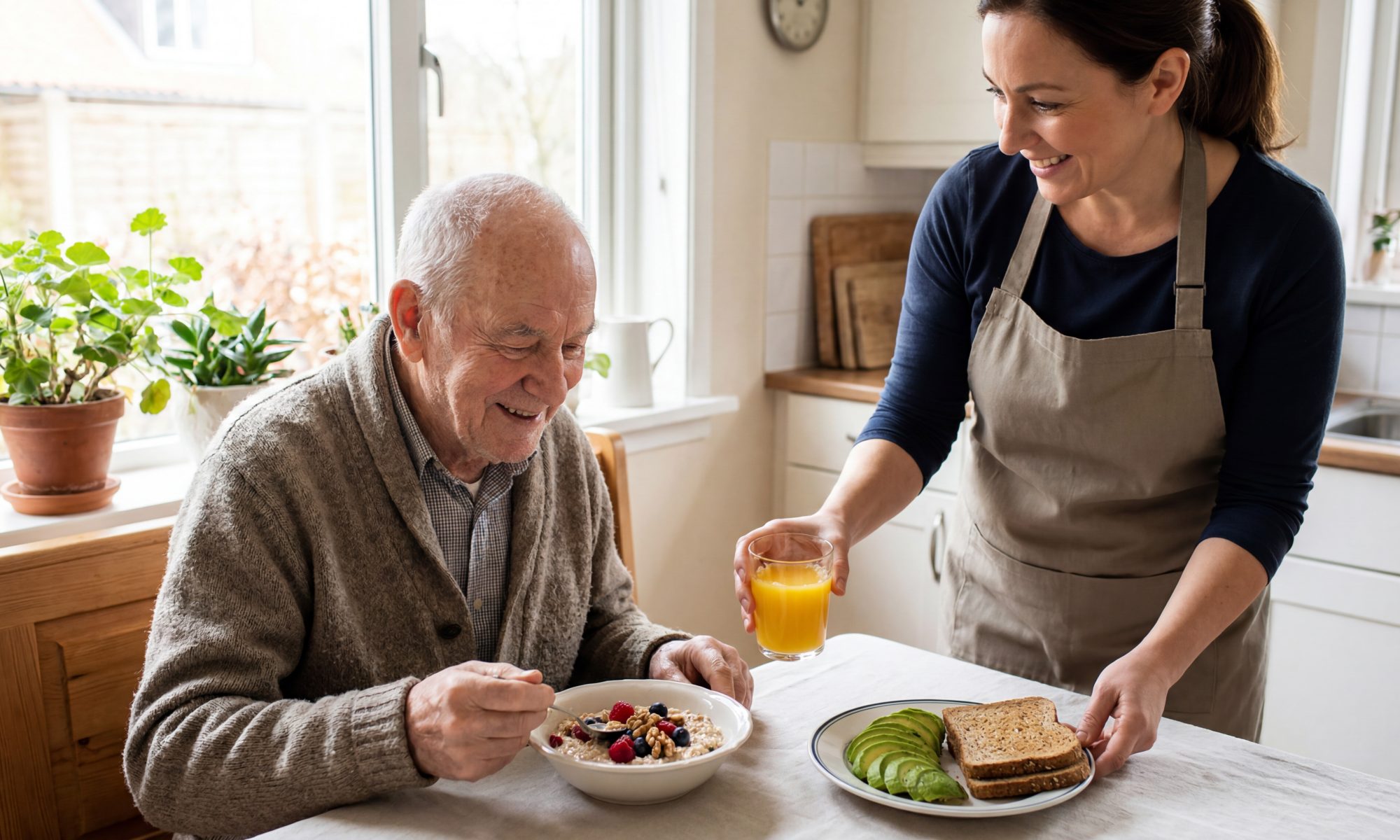
Implementing specific nutritional strategies, such as serving easy-to-eat finger foods, reducing visual and auditory distractions during meals, and offering nutrient-dense snacks, maintains adequate nourishment and hydration for seniors facing cognitive challenges at home.
Nutritional strategies for seniors experiencing cognitive decline focus on simplifying the eating process, maximizing caloric intake, and creating a highly supportive dining environment to ensure consistent nourishment. Managing dietary habits at home often presents unique challenges, as confusion or a loss of appetite can easily disrupt regular feeding routines. By prioritizing familiar foods and easy-to-manage formats, family members can support their senior loved ones effectively while encouraging independence.
What Are the Best Ways to Simplify Meal Formats for Seniors?
Simplifying the format of meals reduces the cognitive load required to eat, making the process much more approachable for seniors. Instead of serving large, complex meals that require utensils, transitioning to accessible formats encourages self-feeding.
- Serve finger foods – Prepare bite-sized items like sandwiches, steamed carrots, or chicken nuggets that don’t require forks or knives.
- Offer one item at a time – Presenting a single food item prevents your loved one from feeling overwhelmed by too many choices on the plate.
- Utilize contrasting colors – Serve light-colored foods on dark plates to help your loved one easily distinguish the food from the dishware.
How Can Caregivers Increase Caloric Intake without Overwhelming Seniors?
You can boost caloric intake by sneaking nutrient-dense ingredients into small, easily consumable portions so your loved one doesn’t feel pressured to eat a massive meal. Cognitive decline often diminishes appetite, making every bite critically important.
- Enrich standard dishes – Stir healthy fats like olive oil, avocado, butter, or full-fat yogurt into soups, mashed potatoes, and hot cereals.
- Provide liquid nutrition – Offer nutrient-rich smoothies or milkshakes made with fruit, nut butters, and whole milk, which are often easier to consume than solid foods.
- Schedule frequent snacks – Rather than relying on three large meals, leave small high-calorie snacks like cheese cubes or nuts within easy reach throughout the day.
The responsibilities that come with caring for a loved one with cognitive decline can sometimes feel overwhelming, but help is available. If you’re the primary family caregiver for a senior loved one, live-in and 24-hour care are available if your loved one’s health has become too difficult to manage without professional expertise. A variety of health-related situations can make it difficult for a senior to continue living at home without someone there to help. Huntsville 24-hour home care professionals are trained to help seniors who need around-the-clock assistance. With the help of a 24-hour caregiver, your elderly loved one can maintain a higher quality of life while aging in place.
Why Is Creating a Calm Dining Environment Important for Seniors with Cognitive Decline?
A calm, structured dining environment prevents sensory overload, allowing your loved one to focus entirely on the task of eating. Background noise and visual clutter can easily distract seniors with cognitive decline, causing them to forget they’re in the middle of a meal.
- Eliminate background noise – Turn off the television and radio, and limit loud conversations in the dining area.
- Clear the table – Remove unnecessary items like decorative centerpieces, extra utensils, and patterned tablecloths that might cause visual confusion.
- Maintain consistent routines – Serve meals at the exact same time and in the exact same place every day to establish a comforting rhythm.
Not every senior has the same care needs, which means they don’t all need the same type of Huntsville senior care. Families can rely on Home Care Assistance to provide individualized care plans to meet their elderly loved ones’ unique care needs. Our holistic Balanced Care Method was designed to help seniors focus on healthy lifestyle habits such as eating nutritious foods, exercising regularly, and maintaining strong social ties, and our Cognitive Therapeutics Method offers mentally stimulating activities that can boost cognitive health and delay the progress of dementia.
What Role Do Hydration Strategies Play in Senior Nutrition?
Hydration strategies are a foundational element of senior nutrition because individuals with cognitive decline frequently forget to drink fluids or fail to recognize the sensation of thirst. Keeping hydration effortless and constant prevents severe complications associated with inadequate fluid intake.
- Keep beverages visible – Place brightly colored cups of water or juice in your loved one’s direct line of sight in every room he or she frequents.
- Serve water-rich foods – Incorporate foods with high water content, such as watermelon, cucumbers, applesauce, and broths, into your loved one’s daily diet.
- Offer varied temperatures – Some seniors prefer warm beverages over cold ones, so alternating between herbal teas and chilled infused waters may encourage your loved one to drink more.
If your loved one’s cognitive decline is due to Alzheimer’s or another form of dementia, compassionate professional help is just a phone call away. Aging in place can present a few challenges for seniors living with dementia. However, with high-quality professional dementia home care that offers Huntsville families much-needed peace of mind, older adults can still live independently at home. Families can rely on Home Care Assistance to provide their elderly loved ones with mental and social stimulation, timely medication reminders, assistance with meal prep, and much more. Our caregivers are available around the clock to help your loved one live a happier and healthier life.
Frequently Asked Questions
How can I encourage a senior loved one who refuses to eat?
+
Offer your loved one’s favorite familiar foods in small portions and eat alongside him or her to gently model the behavior. Keep the atmosphere relaxed so your loved one doesn’t feel pressured or stressed.
What are the best finger foods for seniors with cognitive decline?
+
Soft, easy-to-hold options like fish sticks, soft fruit slices, cheese sticks, and small sandwiches work incredibly well. Avoid anything excessively hard or a potential choking hazard.
Why do some seniors start craving sweets during cognitive decline?
+
Taste buds often change, and the ability to taste sweet flavors is typically the last to diminish, making sugary items more appealing. You can accommodate this by offering naturally sweet fruits or adding a touch of honey to your loved one’s meals.
How do I prevent my loved one from getting distracted during meals?
+
Serve meals in a quiet room with the television turned off, and clear the table of everything except the food and one utensil. Serving only one type of food at a time can also keep your loved one’s attention focused.