Table of Content
- 1 Why Do Timing and Familiar Locations Matter for Dementia Outings?
- 2 What Essential Items Should You Bring when Taking a Loved One Out?
- 3 How Can Caregivers Manage Sensory Overload and Communication in Public?
- 4 Why Is It Helpful to Discreetly Inform Staff or Others Nearby?
- 5 Why Should Caregivers Always Have an Exit Strategy During Outings?
- 6 Frequently Asked Questions
Helping a loved one with dementia navigate public outings involves thoughtful planning, choosing calm environments, preparing essential supplies, and communicating clearly. By managing sensory input and staying flexible with plans, caregivers can reduce stress and create safe, positive experiences outside the home.
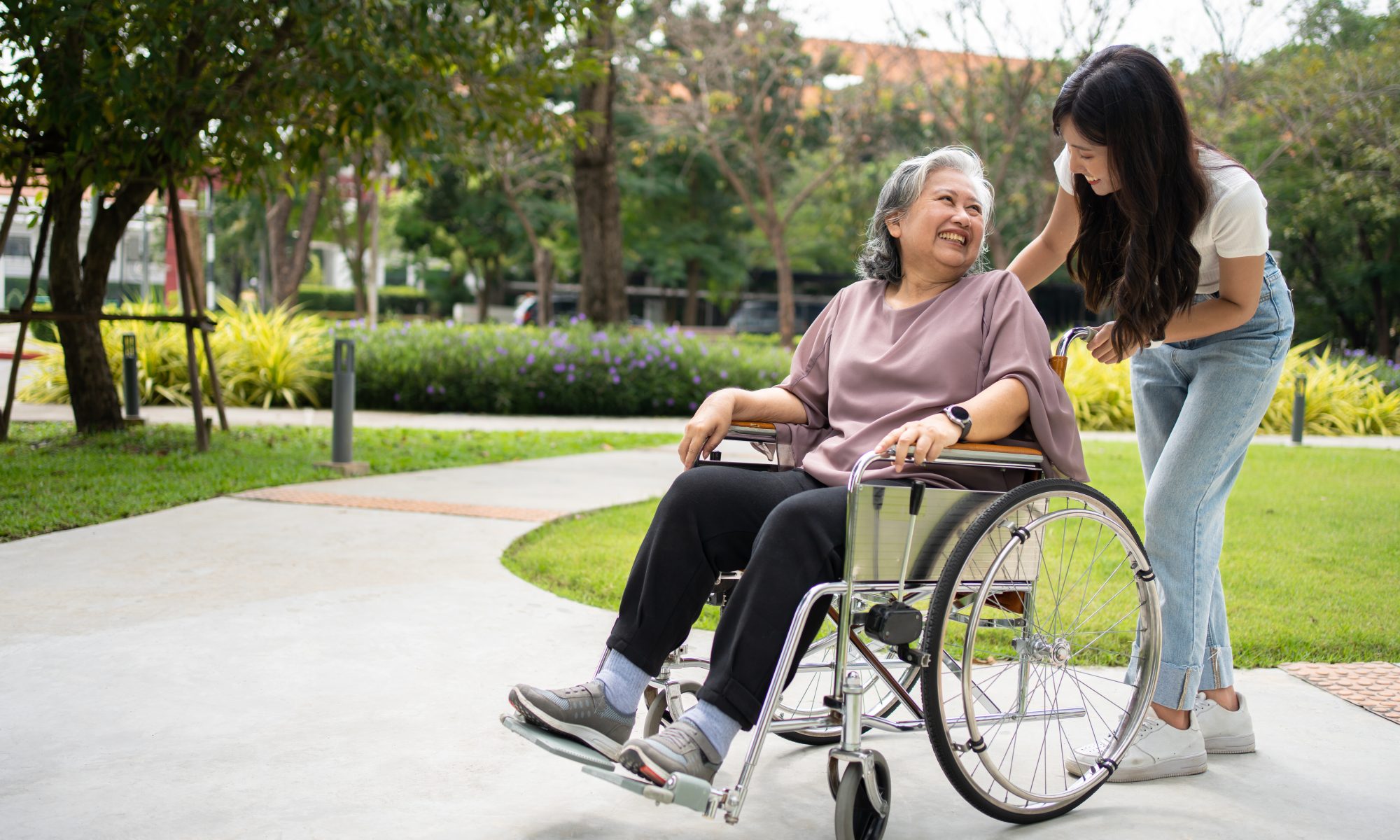
Taking a senior loved one with dementia out in public allows him or her to maintain social connections and a sense of normalcy, yet these trips often bring unique logistical challenges for caregivers. By planning ahead and remaining flexible, you can minimize anxiety and ensure these excursions are safe, enjoyable, and manageable for everyone involved.
Why Do Timing and Familiar Locations Matter for Dementia Outings?
Choosing the right time of day and a comfortable environment can significantly reduce confusion and anxiety during an outing. People living with dementia typically have specific times of day when they’re most alert and agreeable. For many, mornings are best, as fatigue and confusion—often referred to as sundowning—can set in during the late afternoon.
When selecting a destination, opt for familiar environments. A favorite park, a quiet coffee shop your loved one used to frequent, or a small local library is an excellent choice. Large, chaotic spaces like shopping malls or busy restaurants during peak hours can cause sensory overload. If you must go somewhere new, try to visit during off-peak hours when crowds are thinner and noise levels are lower.
Dementia is just one of the many health issues older adults are susceptible to. Seniors can face a variety of challenges as they age, many of which can be mitigated with the help of professional in-home caregivers who provide high-quality Huntsville at-home care. Families trust Home Care Assistance to help their elderly loved ones age in place safely and comfortably.
What Essential Items Should You Bring when Taking a Loved One Out?
Unpredictability is part of the disease, so being prepared for various scenarios is crucial. Pack a bag with items that address physical needs and potential stressors. Having these items on hand allows you to handle minor incidents without needing to cut the trip short immediately.
Consider including the following in your kit:
- Medications – Bring a dose of necessary medications in case you’re out longer than expected.
- Comfort items – A familiar object, such as a photo album, a fidget blanket, or a favorite scarf, can provide distraction and comfort if your loved one becomes agitated.
- Snacks and water – Dehydration or hunger can lead to irritability, even if your loved one cannot articulate what he or she needs.
- Spare clothing – Accidents happen, and having a change of clothes ensures dignity and comfort.
- Identification – Ensure your loved one has ID, perhaps a bracelet or a card in his or her pocket, in the unlikely event you become separated.
Even when families have the best intentions, caring for aging adults with dementia can be challenging, especially if the condition is caused by Alzheimer’s. Seniors in northern Alabama with Alzheimer’s have much to gain when their families opt for professional Huntsville Alzheimer’s care. Families can rely on compassionate and dedicated caregivers to help their elderly loved ones manage the various challenges of Alzheimer’s disease so they can enjoy a higher quality of life.
How Can Caregivers Manage Sensory Overload and Communication in Public?
Once you’re out, pay close attention to the environment. Reducing noise, visual distractions, and complex communication can make outings more comfortable for someone living with dementia. Dementia affects how the brain processes sensory information. What might seem like a dull background hum to you could sound like a deafening roar to someone with dementia.
If you’re dining out, request a table in a quiet corner away from the kitchen or the main entrance. Sit so your loved one faces you or a quiet wall rather than a busy room, which can be visually overwhelming.
Throughout the outing, maintain clear and calm communication:
- Narrate the experience – Gently explain what’s happening next. For example, “We’re going to walk through this door now” or “We’re going to sit on this bench.”
- Offer simple choices – Instead of asking “What do you want to eat?” which can be paralyzing, ask “Would you like the soup or the sandwich?”
- Watch for nonverbal cues – Agitation often shows up physically before it’s verbalized. Look for pacing, hand-wringing, or a change in facial expression.
Why Is It Helpful to Discreetly Inform Staff or Others Nearby?
It can be incredibly helpful to let those around you know your companion has dementia. This often invites patience and understanding from service staff and the public. You don’t need to make a loud announcement. Subtle communication works best.
You might carry small cards that say “My companion has dementia and may need a little extra time or patience. Thank you for understanding.” You can slip this to a waiter, a cashier, or a flight attendant. This simple step often alleviates pressure on the caregiver, as you won’t feel the need to constantly apologize or explain behaviors.
Why Should Caregivers Always Have an Exit Strategy During Outings?
Even the best-laid plans can go awry. The most important tool in your arsenal is the willingness to leave early. If your loved one shows signs of distress, fatigue, or anger that cannot be soothed, it’s time to go home.
Don’t view leaving early as a failure. The goal of the outing is a positive experience, and pushing through distress could result in a negative memory for your loved one. Know where the exits are and where your car is parked, and be ready to pivot your plans instantly. Prioritizing your loved one’s comfort over the completion of an errand or activity builds trust and makes future outings more likely to succeed.
Caring for seniors with dementia can be challenging for family caregivers. Luckily, there is dementia care Huntsville families can rely on. Professional dementia caregivers help seniors with dementia stay safe and comfortable at home by preventing wandering, providing cognitive stimulation, and assisting with household chores. If you need professional home care for your aging loved one, our Care Managers are just a phone call away. Reach out to Home Care Assistance today.
Frequently Asked Questions
How can dementia home care services support outings?
+
Caregivers can plan and accompany individuals on safe, enjoyable outings tailored to their interests and abilities.
What types of outings are suitable for individuals with dementia?
+
Outings to parks, museums, or quiet cafés are often ideal, as they provide stimulation without overwhelming individuals.
How do caregivers ensure outings are safe for individuals with dementia?
+
Caregivers assess the environment, provide supervision, and take precautions to prevent confusion or wandering.
Can outings enhance the wellbeing of someone with dementia?
+
Yes, outings can reduce anxiety, boost mood, and provide meaningful social and sensory experiences.
Are outings customized to the individual’s stage of dementia?
+
Absolutely. Caregivers tailor outings to match the individual’s cognitive and physical abilities, ensuring a positive experience.